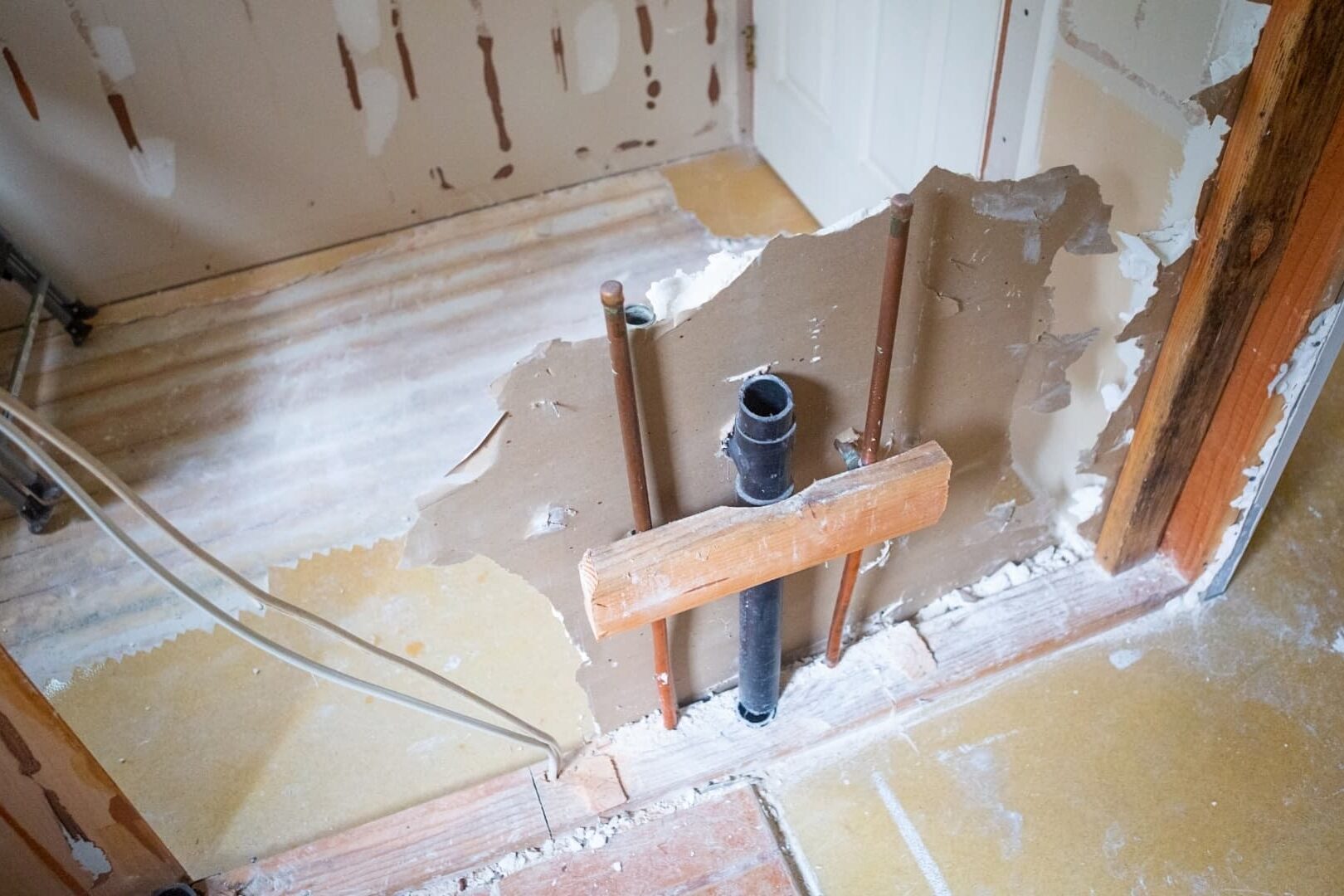
Water damage is often treated as a cosmetic issue, but left untreated, it can quietly compromise the structural bones of a house. Framing, subflooring, and foundation elements all rely on staying dry to do their job, and Cleanup & Total Restoration (CTR) has spent over 30 years helping Boise homeowners catch structural water damage before it becomes a safety concern. Here’s how water affects your home’s structure, how quickly the damage develops, and when full restoration is the only way to stop it from spreading.
Table of Contents
How Does Water Damage Affect Framing and Structural Materials?
Wood framing is the skeleton of most Boise homes, and it does not respond well to prolonged exposure to moisture. Once water reaches the structural framing, whether from a roof leak, a burst pipe, or flooding, it begins to change the wood’s physical properties.
How water affects wood framing:
- Wood absorbs moisture and begins to swell, which can distort joints and connections
- Repeated wet and dry cycles cause wood to warp, crack, or split over time
- Saturated wood loses load-bearing strength, even if it looks intact from the outside
- Fasteners like nails and screws can loosen as the surrounding wood expands and contracts
How water affects other structural materials:
- Drywall loses rigidity and can crumble or sag when saturated, and ceiling water damage repair in Boise often starts with identifying how far moisture has traveled beyond the visible stain
- Subflooring made of plywood or OSB can delaminate, meaning the layers separate and lose their strength
- Metal fasteners and connectors can corrode with prolonged moisture exposure, weakening structural joints
- Insulation loses its effectiveness once wet and can trap moisture against framing long after the surface appears dry
A ceiling that feels soft or sags slightly is often a sign that the drywall and the framing above it have already absorbed significant moisture, not just the visible surface layer.
How Long Does It Take for Structural Damage to Develop?
Homeowners often assume structural damage takes months or years to show up, but the timeline can move faster than most people expect, especially in framing and subflooring that remain wet.
A general timeline of structural water damage:
- Within hours: Water begins soaking into exposed wood, drywall, and insulation
- Within 48 to 72 hours: Mold can begin developing on wet framing and subflooring, particularly in enclosed spaces with poor airflow
- Within one to two weeks: Wood framing can begin to warp, and drywall may lose enough integrity to require replacement rather than repair
- Within several weeks to months: Prolonged, unaddressed moisture can lead to wood rot, which permanently weakens structural framing and may require replacement of load-bearing elements
Getting a house properly dried out within the first two to three days significantly reduces the risk of this timeline ever reaching the structural stage, which is why the drying phase right after a flood matters so much for long-term outcomes. If you’re trying to gauge whether a stain or soft spot is recent or old, the signs tend to differ depending on how long the water damage has been present.
Factors That Speed Up Structural Damage
Certain conditions accelerate how quickly water damage becomes structural damage:
- Poor ventilation: Enclosed spaces like crawl spaces and wall cavities trap moisture longer
- Contaminated water: Gray or black water introduces bacteria that can accelerate wood decay
- Delayed response: Every day water sits untreated increases the depth of saturation into structural materials
- Repeated exposure: A slow, recurring leak causes cumulative damage that is often worse than a single large event
When Is Full Water Damage Restoration Necessary to Prevent Further Issues?
Not every water event requires a full restoration project, but there are clear signs that surface-level cleanup will not be enough to protect your home’s structure.
Full water damage restoration is necessary when:
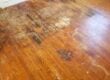
- Framing, subflooring, or drywall shows visible warping, sagging, or crumbling
- Water has been present for more than 24 to 48 hours without professional drying
- The water source was contaminated, such as a sewer backup or floodwater
- Mold has already begun developing on structural materials
- Multiple rooms or floors have been affected
What the water damage mitigation process involves before restoration begins:
Mitigation is the first phase of the process, focused on preventing the damage from worsening before repairs begin, and understanding the difference between mitigation and full restoration helps set realistic expectations for the timeline ahead. Mitigation includes water extraction, moisture mapping using tools such as thermal imaging, and removal of materials that cannot be dried in place. Only after mitigation is complete does the restoration phase begin, rebuilding and repairing what was damaged.
What Affects Flood Damage Repair Cost
Flood damage repair costs vary significantly depending on the scope of structural involvement. Homeowners considering whether to call a professional should weigh a few key factors:
- Extent of structural involvement: Cosmetic drywall repair costs far less than replacing damaged framing or subflooring
- Water category: Clean water damage is less expensive to remediate than contaminated water, which requires more extensive sanitization
- Response time: Faster mitigation generally reduces the total scope of repairs needed
- Affected square footage: Larger areas require more drying equipment and labor
Because every situation is different, an in-person assessment is the only reliable way to understand the true cost of repairs for a specific home. Knowing what to look for in a restoration company up front can help homeowners avoid vague estimates or hidden fees later in the process.
What Happens During Water Damage Restoration
CTR’s flood damage restoration process includes:
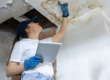
- Inspection: Moisture meters and thermal imaging locate hidden water in framing, subflooring, and wall cavities
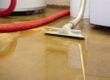
- Extraction and mitigation: Standing water is removed, and unsalvageable materials are addressed early to stop further spread
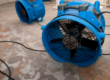
- Structural drying: Industrial air movers and dehumidifiers dry framing and subflooring to safe moisture levels
- Repair and reconstruction: Damaged framing, drywall, or flooring is repaired or rebuilt to restore structural integrity
Call CTR Before Water Damage Becomes a Structural Problem
Water damage rarely makes its severity clear right away, but framing, subflooring, and drywall can begin to lose integrity within days of exposure. If you’re seeing warped floors, sagging ceilings, or any sign that water has reached your home’s structure, contact Cleanup & Total Restoration for a professional inspection and full water damage restoration in Boise.