Basement flooding can strike with little warning, turning a dry, functional space into a costly repair project overnight. Whether the cause is a burst pipe, a sudden storm, or a slow drainage problem, Cleanup & Total Restoration (CTR) has helped Boise homeowners recover from basement floods for over 30 years. Here is what typically causes basement flooding, how it affects your home’s structure, and when it’s time to call for emergency cleanup.
Table of Contents
Why Do Burst Pipes Lead to Basement Flooding?
Burst pipes are one of the most common causes of basement flooding in Boise, especially during Idaho’s freeze-thaw winters. When water freezes inside a pipe, it expands and puts intense pressure on the pipe walls until they crack or split open.
Common reasons pipes burst and cause basement flooding:
- Frozen pipes during sudden cold snaps
- Aging or corroded plumbing that weakens over time
- High water pressure that stresses joints and fittings
- Faulty pipe installation or substandard materials
- Physical impact or shifting foundation soil puts stress on pipe connections
Warning signs that a pipe may be about to burst or has already failed:
- Reduced water pressure throughout the home
- Unusual rattling, banging, or running sounds inside walls
- Damp or discolored spots on basement walls and ceilings
- A sudden, unexplained increase in your water bill
Because a burst pipe can release a large volume of water quickly, response time matters. If you’re able to safely shut off your main water line before help arrives, you can significantly limit the amount of water that reaches your basement.
Other Common Causes of Basement Flooding
Burst pipes are not the only culprits behind a flooded basement. Boise homeowners should also watch for:
- Sump pump failure: A malfunction or power outage during a storm can leave a basement unprotected exactly when it needs a working pump most
- Sewer backups: Heavy rainfall can overwhelm municipal sewer systems, pushing contaminated water back into your basement through drains
- Poor grading and drainage: If the soil around your foundation doesn’t slope away from the home, or gutters and downspouts are clogged, water can pool and seep in
- Foundation cracks: Even small cracks in basement walls or flooring give water a direct path inside
If foundation cracks or a backed-up floor drain are recurring issues in your home, addressing the root cause is the only way to prevent repeat flooding.
How Does Heavy Water Intrusion Affect Foundations and Subflooring?
Once water enters a basement, the damage does not stop at the surface. Foundations and subflooring absorb moisture in ways that are not always immediately apparent.
Effects on your foundation:
- Prolonged water exposure can weaken concrete and mortar over time
- Existing cracks can widen as water freezes and expands during colder months
- Hydrostatic pressure from saturated soil outside the foundation can push water through walls even after the initial flood is cleaned up
Effects on subflooring:
- Wood subflooring can swell, warp, or delaminate when saturated
- Prolonged moisture creates ideal conditions for mold growth within 24 to 48 hours
- Weakened subflooring can compromise the stability of flooring installed above it, including tile and hardwood
Why this matters for repair costs:
The longer water sits against a foundation or under a subfloor, the more expensive and invasive the repair typically becomes, sometimes stretching a basement flood recovery out over several weeks instead of days. A same-day extraction and drying response can often prevent structural repairs altogether, while a delayed response may require replacing subflooring, treating mold, or reinforcing foundation walls.
When Should You Call for Emergency Basement Flood Cleanup in Boise?
Not every damp basement requires an emergency call, but certain situations mean you should not wait.
Call for emergency basement flood cleanup in Boise if:
- Standing water is present, especially near electrical outlets or appliances
- The water source is a burst pipe, sewer backup, or storm-related flooding
- You notice a musty odor or signs of mold beginning to develop
- Water has been sitting for more than a few hours
- The flooding affects a finished basement with flooring, drywall, or stored belongings
Why 24-hour water damage restoration matters:
Basement floods do not wait for business hours, and neither should your response. CTR offers 24-hour water damage restoration in Boise because the first few hours after a flood determine how much of your basement can be saved.
What Happens During Basement Flood Cleanup
Our basement flood cleanup process includes:
- Safety assessment: We check for electrical hazards and contamination before beginning work
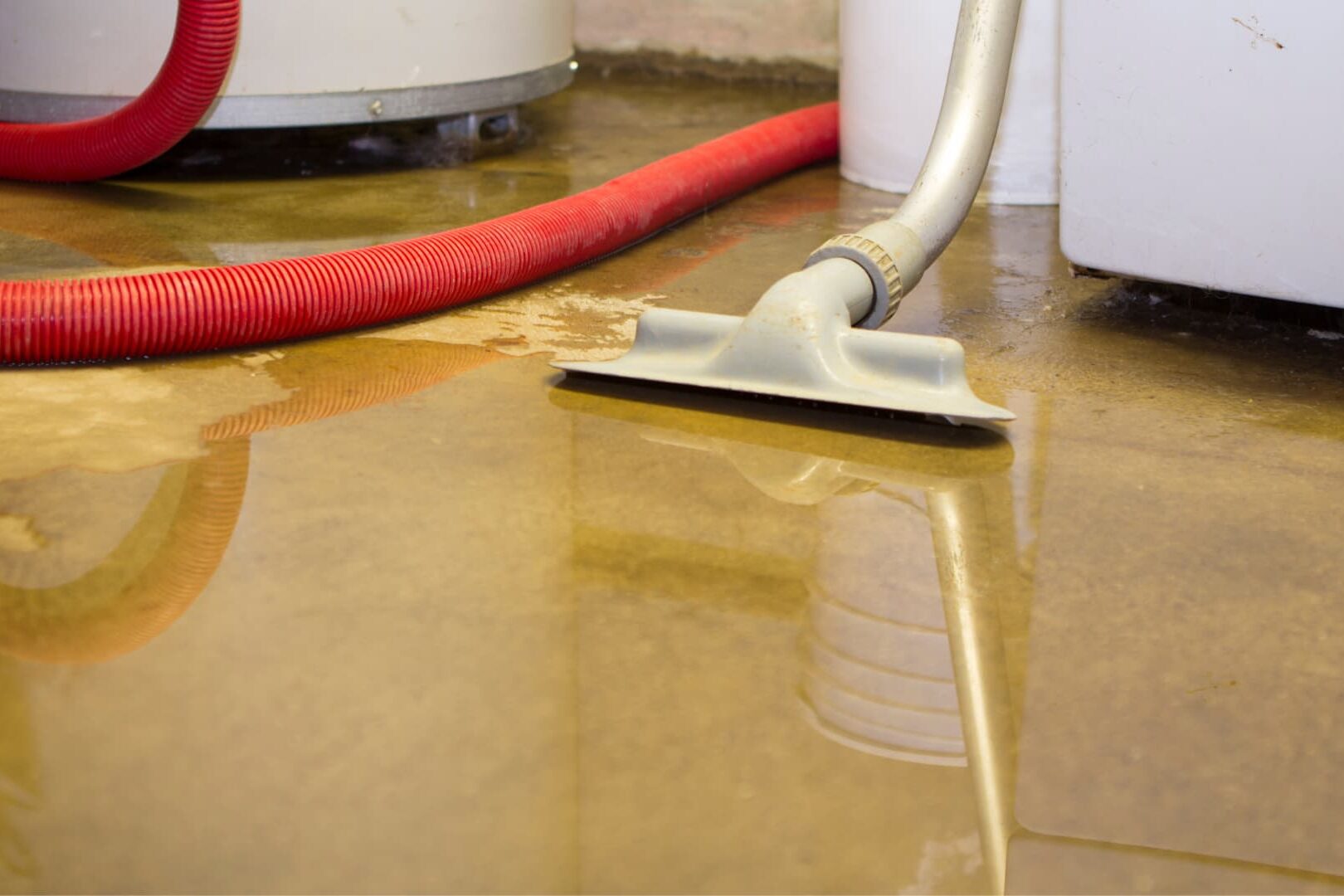
- Water extraction: Industrial pumps and vacuums remove standing water quickly
- Structural drying: Air movers and dehumidifiers dry out subflooring, framing, and foundation walls
- Sanitizing: Affected surfaces are cleaned and treated to prevent mold and bacterial growth
- Repair and restoration: Damaged flooring, drywall, or structural elements are repaired to restore your basement to its pre-flood condition
CTR’s flood damage restoration team arrives quickly with emergency water extraction equipment to remove standing water and begin structural drying before mold or foundation damage can take hold. We handle documentation and communication with your insurance provider throughout the process.
Call CTR for Fast, Reliable Basement Flood Cleanup
Basement flooding rarely gives much warning, but a fast response can make the difference between a manageable cleanup and a major structural repair. If your Boise basement has flooded, contact Cleanup & Total Restoration for emergency water extraction and 24-hour water damage restoration you can count on.