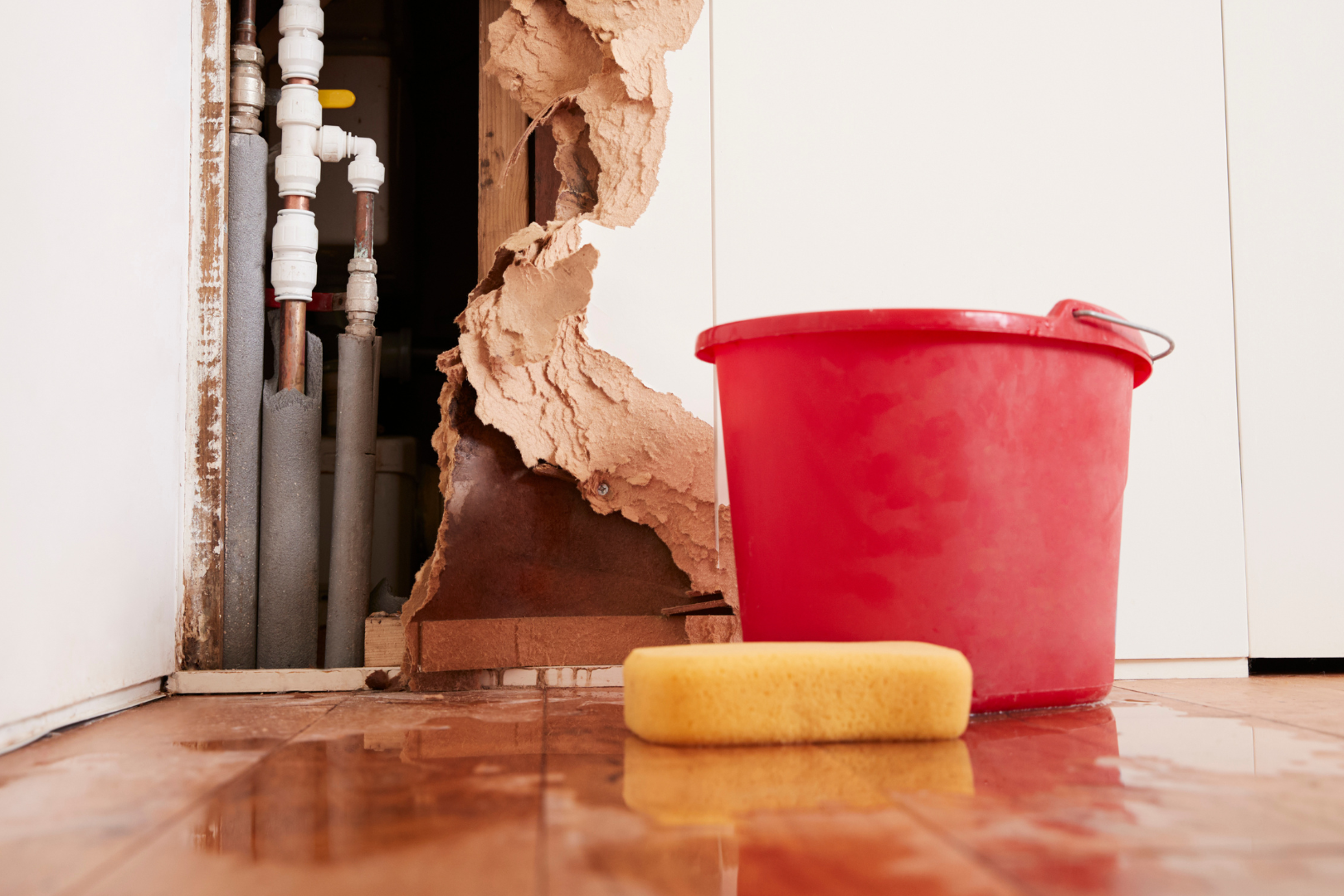
Water damage can strike without warning, a burst pipe in the dead of winter, a flash flood from a summer storm, or a slow leak behind your walls that goes unnoticed for weeks. When it happens, one of the first questions homeowners ask is: “How much is this going to cost?
At Cleanup & Total Restoration (CTR), we’ve been helping Boise homeowners navigate water damage emergencies since 1995. We know that cost uncertainty adds stress to an already stressful situation. This guide breaks down what drives water damage restoration costs up or down, what your insurance is likely to cover, and how to protect your home before disaster strikes.
The honest answer to “how much will this cost?” is: it depends. Every water damage situation is different, and the only way to get an accurate number is with a professional, on-site assessment. CTR offers free estimates, so you always know what you’re getting into before work begins.
Table of Contents
What Factors Affect the Cost of Water Damage Restoration?
No two water damage situations are exactly alike. Several key variables determine how straightforward or complex a restoration job will be.
The Category of Water
Restoration professionals classify water into three categories, each carrying a different level of health risk and a corresponding impact on cost:
- Category 1 – Clean Water: Originates from a clean source, such as a burst supply pipe or an overflowing sink. The safest and least expensive to remediate.
- Category 2 – Gray Water: Contains some contaminants, think dishwasher overflow, washing machine discharge, or toilet overflow without solid waste. Requires additional safety precautions during cleanup, increasing costs.
- Category 3 – Black Water: Highly contaminated water from sewage backups, flooding from rivers or storm drains, or standing water that has been sitting long enough to harbor bacteria. The most hazardous and most expensive category to clean up.
The Class of Damage
Beyond water type, restoration professionals also assess the extent of water absorption into your home’s materials:
- Class 1: Minimal absorption, affecting only part of one room. The least expensive to address.
- Class 2: An entire room is affected, including walls. Costs increase as more materials require drying or replacement.
- Class 3: Saturation has spread to walls, insulation, and ceilings. Significantly more labor and equipment are required.
- Class 4: Specialty drying is required for dense materials like hardwood, concrete, or plaster. The most complex and costly class to restore.
How Long the Water Sat
Time is one of the most significant cost multipliers in water damage restoration. The longer water sits:
- The deeper it penetrates flooring, walls, and subfloor materials
- The more likely secondary damage, especially mold growth, becomes
- The greater the chance of structural compromise
Mold can begin developing within 24–48 hours of water exposure, and mold remediation adds a substantial cost to standard restoration work. This is why CTR’s 60-minute response time isn’t just a selling point, it’s a cost-saving measure for homeowners.
What Materials Were Affected
Different materials absorb water differently and carry very different replacement costs. Hardwood flooring, for example, can sometimes be saved with quick action, but laminate and vinyl tend to trap moisture beneath and often require full replacement. Saturated drywall loses structural integrity and becomes a breeding ground for mold, often necessitating removal and replacement. Cabinets, insulation, and subfloor materials each add to the overall scope depending on what was reached by water.
The Size of the Affected Area
Larger affected areas require more equipment, more labor hours, and longer drying times. A single bathroom is a very different job from a flooded basement. The more square footage involved, the higher the cost.
Structural or Electrical Damage
When water infiltrates structural elements, support beams, load-bearing walls, or the foundation, repair costs escalate significantly. Electrical damage adds another layer of complexity and safety risk, requiring licensed electricians in addition to restoration crews.
Does Insurance Reduce Water Damage Repair Costs?
For many Boise homeowners, insurance is the financial lifeline that enables full restoration. But coverage isn’t automatic; what’s covered depends heavily on the source and circumstances of the damage.
What Homeowners Insurance Typically Covers
Most standard homeowners’ insurance policies cover sudden, accidental water damage originating from inside the home. This generally includes:
- Burst or frozen pipes (if the home was properly heated)
- Appliance overflows, dishwashers, washing machines, water heaters
- Accidental plumbing leaks that were not the result of neglect
- Roof leaks caused by a covered storm event (e.g., wind damage, a fallen tree)
- Mold that directly results from a covered water damage event
What Homeowners Insurance Typically Does NOT Cover
Understanding exclusions is just as important as knowing what’s included. Standard policies generally do not cover:
- Flood damage from outside the home: rivers, heavy rain runoff, or rising groundwater. Separate flood insurance through the National Flood Insurance Program (NFIP) or a private insurer is required for this type of coverage.
- Gradual or neglected damage: slow leaks, dripping faucets, or long-term seepage that a homeowner should have caught and addressed
- Sewer or drain backup: unless a specific water backup endorsement has been added to the policy
- Sump pump failure: typically excluded unless optional coverage was purchased
- The source of the damage itself: for example, your insurance may cover the flooded kitchen floor, but not the broken dishwasher that caused it
How to Help Ensure Your Insurance Claim is Smooth
If you’re filing a claim after water damage, keep these steps in mind:
- Document everything immediately: photos and video before any cleanup begins
- Stop the source of water if it’s safe to do so
- Call your insurance provider right away: delays can complicate or jeopardize your claim
- Don’t throw anything away before your adjuster sees it
- Hire a certified restoration company: Insurers are more likely to approve claims supported by licensed, documented professional work
How Can Boise Homeowners Prevent Expensive Water Damage Repairs?
The most affordable water damage is the kind that never happens. Boise’s climate, with cold, pipe-freezing winters and heavy spring snowmelt, creates real, seasonal risks for homeowners. Here are the most effective ways to protect your home and avoid a costly restoration bill.
Inspect and Maintain Your Plumbing Regularly
- Check supply lines behind washing machines, dishwashers, refrigerators, and toilets at least once a year. These flexible hoses are a common failure point
- Look for early warning signs: water stains, soft spots in flooring, peeling paint near pipes, or unexplained increases in your water bill
- Have a plumber inspect your system periodically, especially in older homes
Winterize Before the Cold Hits
- Insulate exposed pipes in garages, crawl spaces, and exterior walls
- Keep your home heated to a safe minimum temperature even when you’re away
- Know where your main water shut-off valve is and make sure it’s easily accessible
Maintain Your Roof and Gutters
- Inspect your roof annually and after major storms, missing or damaged shingles are an open door for water intrusion
- Keep gutters clear of debris so water flows away from your foundation, not toward it
- Trim overhanging tree branches that could damage your roof in a windstorm
Monitor Your Water Heater
Water heaters are one of the leading causes of home water damage, and they often fail without warning as they age.
- Check your water heater regularly for signs of rust, corrosion, or pooling water
- Drain the tank periodically to prevent sediment buildup that accelerates wear
- Plan for proactive replacement rather than waiting for failure
Install Water Detection Technology
Smart home leak detectors are one of the easiest, most cost-effective preventative tools available:
- Place sensors near water heaters, washing machines, under sinks, and in the basement
- Many devices connect to your smartphone and send real-time alerts
- Some smart shut-off valves can automatically stop water flow when a leak is detected
Know When to Call a Professional
Some water-related problems may seem minor but are symptoms of a larger issue. If you notice any of the following, contact a restoration professional for an inspection before the problem grows:
- Musty or earthy odors in any room
- Unexplained discoloration or stains on ceilings, walls, or floors
- Warping, buckling, or soft spots in hardwood or laminate floors
- Visible mold growth anywhere in the home
- A consistently wet or damp crawl space or basement
Get a Free Water Damage Estimate from CTR
The only way to know what your specific situation will cost is to have a professional assess it in person. Cleanup & Total Restoration is available 24/7, arrives on-site within 60 minutes, and offers free estimates with no minimum charge.
Our IICRC-certified technicians serve Boise and the entire Treasure Valley, including Meridian, Nampa, Caldwell, Eagle, Kuna, and beyond.