Sewage water is one of the most hazardous types of water damage a homeowner can face. Unlike a clean water leak from a supply line, sewage carries bacteria, viruses, and other contaminants that pose a real health risk to anyone who comes into contact with it. Cleanup & Total Restoration (CTR) has handled sewage backup cleanup for Boise homes and businesses for over 30 years, and understanding the risks involved is the first step toward protecting your household. Here’s what makes sewage water dangerous, what you can safely handle yourself, and when it’s time to call in professionals.
Table of Contents
What Health Risks Are Associated with Sewage Exposure?
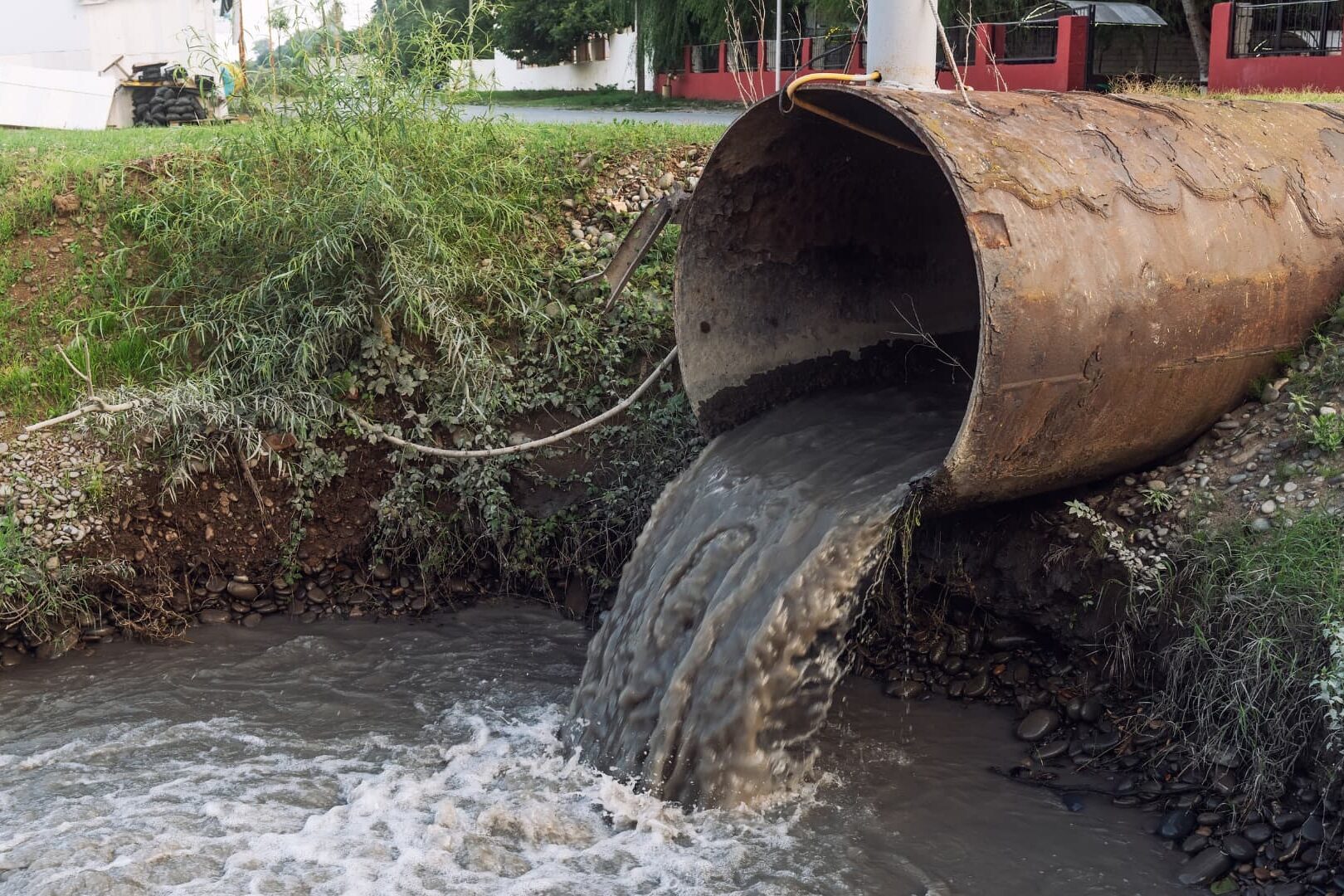
Sewage water, often referred to as black water in the restoration industry, is classified as the most contaminated category of water damage. It can contain a wide range of pathogens that pose serious health risks upon contact, ingestion, or inhalation.
Common health risks from sewage exposure include:
- Bacterial infections: E. coli, Salmonella, and other bacteria commonly found in sewage can cause gastrointestinal illness
- Viral infections: Sewage can carry hepatitis A and other viruses that spread through contaminated water
- Parasitic infections: Parasites present in raw sewage can cause illness if ingested or if they enter through open cuts
- Respiratory issues: Airborne particles and mold that develop after a sewage backup can trigger asthma or allergic reactions
- Skin and eye irritation: Direct contact with contaminated water can cause rashes, infections, or irritation
According to the CDC, exposure to sewage-contaminated water carries a heightened risk of infection, particularly for young children, elderly individuals, and anyone with a compromised immune system.
Why Sewage Contamination Spreads Beyond the Visible Water
Sewage backups do not remain confined to the area where water is visibly standing. Contaminated water can wick into flooring, drywall, and subflooring, carrying bacteria into porous materials that are difficult to fully disinfect without professional equipment. This is part of why a basement sewage backup is treated as a more serious event than a typical basement flood from rainwater or a burst pipe.
Can You Safely Clean Sewage Water Yourself?
For small, contained sewage issues, some homeowners consider handling cleanup on their own. However, sewage cleanup carries risks that go beyond what typical household cleaning supplies and protective gear can address.
What you may be able to handle yourself:
- Shutting off the water source if the backup is from an isolated fixture
- Keeping children, pets, and other household members away from the affected area
- Turning off electricity to the affected area if it can be done safely from outside the water
- Documenting the damage with photos or video for insurance purposes
What you should not attempt without professional help:
- Entering standing sewage water without full protective gear, including waterproof boots, gloves, and eye protection
- Cleaning porous materials like carpet, drywall, or upholstery that have absorbed contaminated water
- Disinfecting affected areas without commercial-grade antimicrobial treatments
- Assessing whether contamination has spread into wall cavities or subflooring
A quick self-check before attempting DIY cleanup:
- Is the affected area larger than a small, isolated spot?
- Has the water been sitting for more than a few hours?
- Is the source a sewer backup rather than a clean or gray water issue?
If you answered yes to any of these, the safest option is to treat it as a job for professionals rather than attempt to clean it up yourself. Understanding the difference between water damage categories can also help you gauge how serious a given backup actually is before deciding how to respond.
When Is Professional Sewage Cleanup Necessary in Boise?
Because of the health risks involved, most sewage situations call for professional intervention rather than DIY cleanup.
Call for professional sewage cleanup in Boise if:
- Sewage has backed up into a finished living space, basement, or crawl space
- The backup affects multiple fixtures or drains at once
- Water has been sitting for more than a few hours
- You notice a strong sewage odor that persists after the visible water is gone
- Anyone in the household has come into direct contact with the contaminated water
Why emergency sewage cleanup in Boise matters:
The longer sewage sits, the further contamination spreads into building materials, and the greater the health risk to anyone in the home. A backed-up floor drain that seems minor at first can quickly escalate if the underlying blockage isn’t identified and cleared.
What the Sewage Cleanup Process Involves
CTR’s sewage cleanup process includes:
- Containment: Affected areas are isolated to prevent contamination from spreading to unaffected parts of the home
- Extraction: Sewage and standing water are removed using specialized pumps and vacuums
- Removal of contaminated materials: Porous materials that cannot be safely disinfected, such as soaked carpet or drywall, are removed and disposed of properly
- Disinfection: Affected surfaces are cleaned with commercial-grade antimicrobial treatments to eliminate bacteria and pathogens
- Drying and structural repair: The area is fully dried, and any necessary repairs are made to restore the space to a safe, livable condition
Our emergency restoration services team handles sewage backups with full protective protocols, ensuring your property is properly decontaminated before anyone re-enters the affected space.
Call CTR for Safe, Professional Sewage Cleanup
Sewage poses health risks that go well beyond those of typical water damage, and cleaning it up safely requires more than household supplies and good intentions. If your Boise home has experienced a sewage backup, contact Cleanup & Total Restoration for professional sewage cleanup you can trust to protect your health and your property.