Water damage does not always show up right away. A slow leak behind a wall or under a floor can go unnoticed for weeks, quietly weakening your home’s structure and creating conditions for mold growth. At Cleanup & Total Restoration (CTR), we have spent over 30 years helping Boise homeowners catch water damage before it turns into a much bigger, more expensive problem. Here is what to watch for, how fast hidden water damage can spread, and when it’s time to call in a professional.
Table of Contents
What Are the Early Warning Signs of Hidden Water Damage?
Hidden water damage rarely announces itself with a flood. Instead, it leaves behind small clues that are easy to miss if you don’t know what to look for.
Visual signs inside your home:
- Discoloration or yellowish stains on ceilings and walls
- Peeling, bubbling, or cracking paint and wallpaper
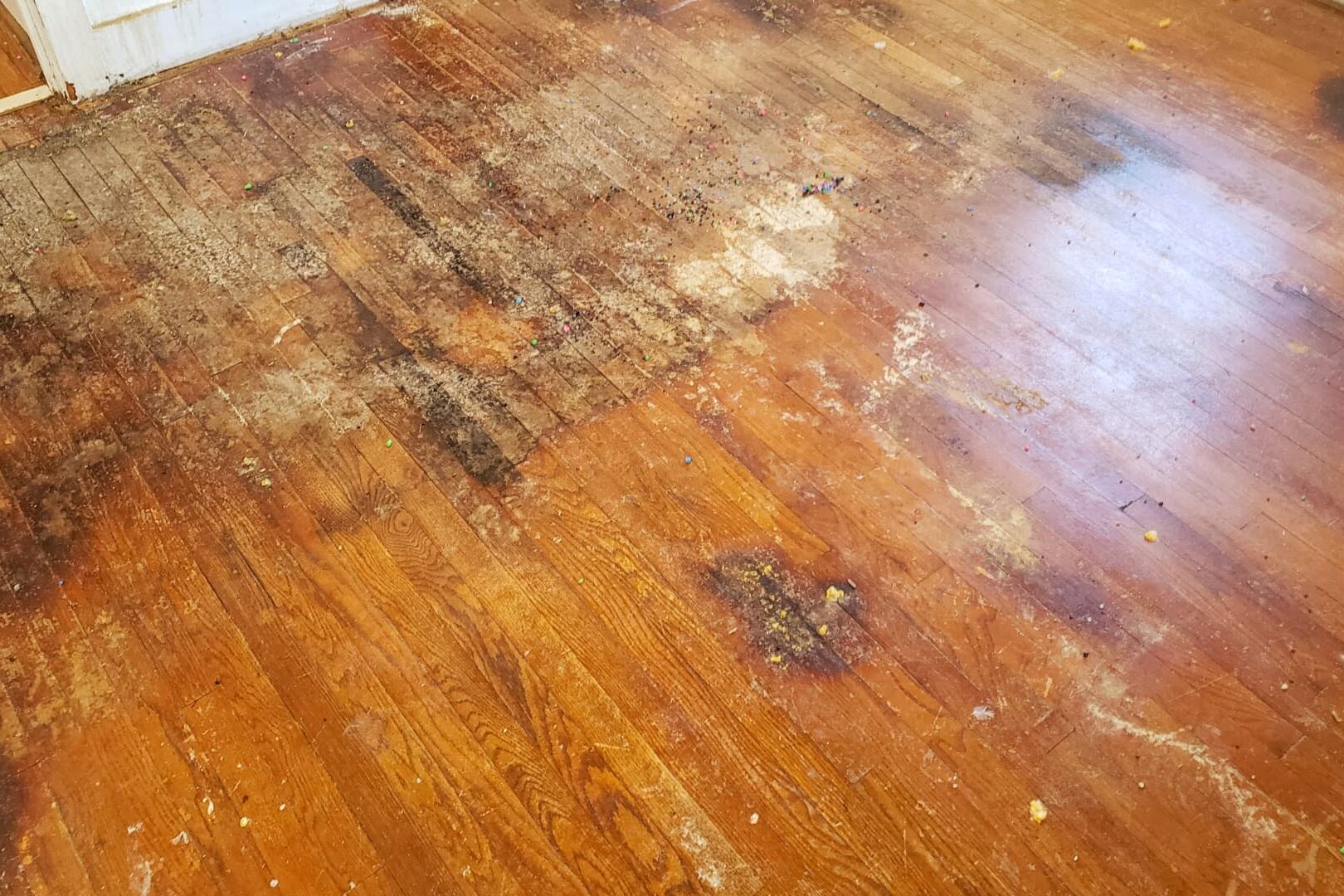
- Warped, buckling, or soft spots in flooring
- Sagging ceiling tiles or drywall
Signs you can smell or feel:
- A persistent musty odor, especially in closets, basements, or crawl spaces
- Cool, damp spots on walls or floors that shouldn’t be there
- Increased humidity in a specific room compared to the rest of the house
Signs outside your utility usage:
- An unexplained spike in your water bill
- Your water meter is still running when every fixture in the house is off
- A drop in water pressure that wasn’t there before
If you notice more than one of these signs at the same time, it’s a strong indicator that water is moving somewhere it shouldn’t be. A ceiling stain paired with a musty smell in the room below, for example, often points to a slow leak in the plumbing or roofline above. If you’re trying to figure out how long a stain has been there, our post on how to tell if water damage is new or old walks through the signs to look for.
How Quickly Can Water Damage Spread Behind Walls or Under Floors?
One of the most common questions homeowners ask is how much time they have once water enters a hidden space. The answer depends on the source, but the timeline moves faster than most people expect.
A general timeline of hidden water damage:
- Within minutes: Water begins soaking into drywall, insulation, and subflooring
- Within 24 to 48 hours: Mold spores can begin to germinate in damp, dark spaces like wall cavities and crawl spaces
- Within a few days: Wood framing can start to warp or weaken, and drywall may lose structural integrity
- Within one to two weeks: Mold colonies can become visible, and structural repairs become more extensive and costly
Crawl spaces and areas behind walls are especially vulnerable because they trap moisture without airflow to help materials dry naturally. According to the Environmental Protection Agency, mold can begin growing on damp surfaces in as little as one to two days, which is part of why speed matters so much once hidden water damage is suspected. For a closer look at what to watch for once mold enters the picture, see our guide on mold from water damage.
Ceilings
Ceiling water damage repair in Boise often traces back to roof leaks, ice dam buildup during winter freeze-thaw cycles, or a failed plumbing line on the floor above. A small brown ring can represent a leak that has been active for weeks. If the surrounding drywall has started to sag or crumble, our drywall restoration and repair team can assess whether it needs patching or full replacement.
Crawl Spaces
Crawl space water damage in Boise is particularly common due to the region’s clay-heavy soil and seasonal shifts in groundwater levels. Poor ventilation and grading issues can allow moisture to linger long after the initial cause is resolved. If you’re seeing standing water or damp insulation, our post on whether it’s normal to have water in your crawl space breaks down what’s typical and what’s a red flag.
Behind Walls
Plumbing runs inside interior and exterior walls can leak slowly for months before a stain ever reaches the surface, particularly around bathrooms, kitchens, and laundry areas.
When Should You Schedule Professional Water Damage Restoration in Boise?
Not every damp spot requires a call to a restoration company, but certain situations warrant bringing in professionals rather than waiting and seeing.
Schedule water damage restoration in Boise if you notice:
- Visible mold growth or a strong, persistent musty odor
- Recurring stains in the same location, even after minor repairs
- Soft, spongy, or sagging flooring, ceilings, or drywall
- A water bill spike with no obvious explanation
- Any water damage tied to a storm, burst pipe, or appliance failure
What Happens During Water Damage Restoration?
When you call CTR, our IICRC-certified technicians follow a structured process designed to find the full scope of the problem, not just the visible part.
Our water damage restoration process includes:
- Inspection: We use moisture meters and thermal imaging to locate hidden water behind walls, under floors, and in crawl spaces
- Extraction: Standing water is removed using professional-grade pumps and vacuums
- Drying and dehumidification: Industrial air movers and dehumidifiers dry out structural materials to prevent mold growth
- Mold prevention: Treated areas are monitored and protected to stop mold spores from taking hold
- Repair and reconstruction: Damaged drywall, flooring, or framing is repaired or rebuilt to restore your home to its pre-loss condition
We also work directly with your insurance provider throughout the process to help simplify documentation and claims. If you’re curious how mitigation and restoration differ, our post on water mitigation vs. water damage restoration explains each stage in more detail.
Call CTR at the First Sign of Hidden Water Damage
The earlier hidden water damage is caught, the less it costs to fix and the lower your risk of mold. If you’ve noticed any of the warning signs above in your Boise home, don’t wait for the problem to surface on its own. Contact Cleanup & Total Restoration today for a professional inspection and fast, reliable restoration you can count on.