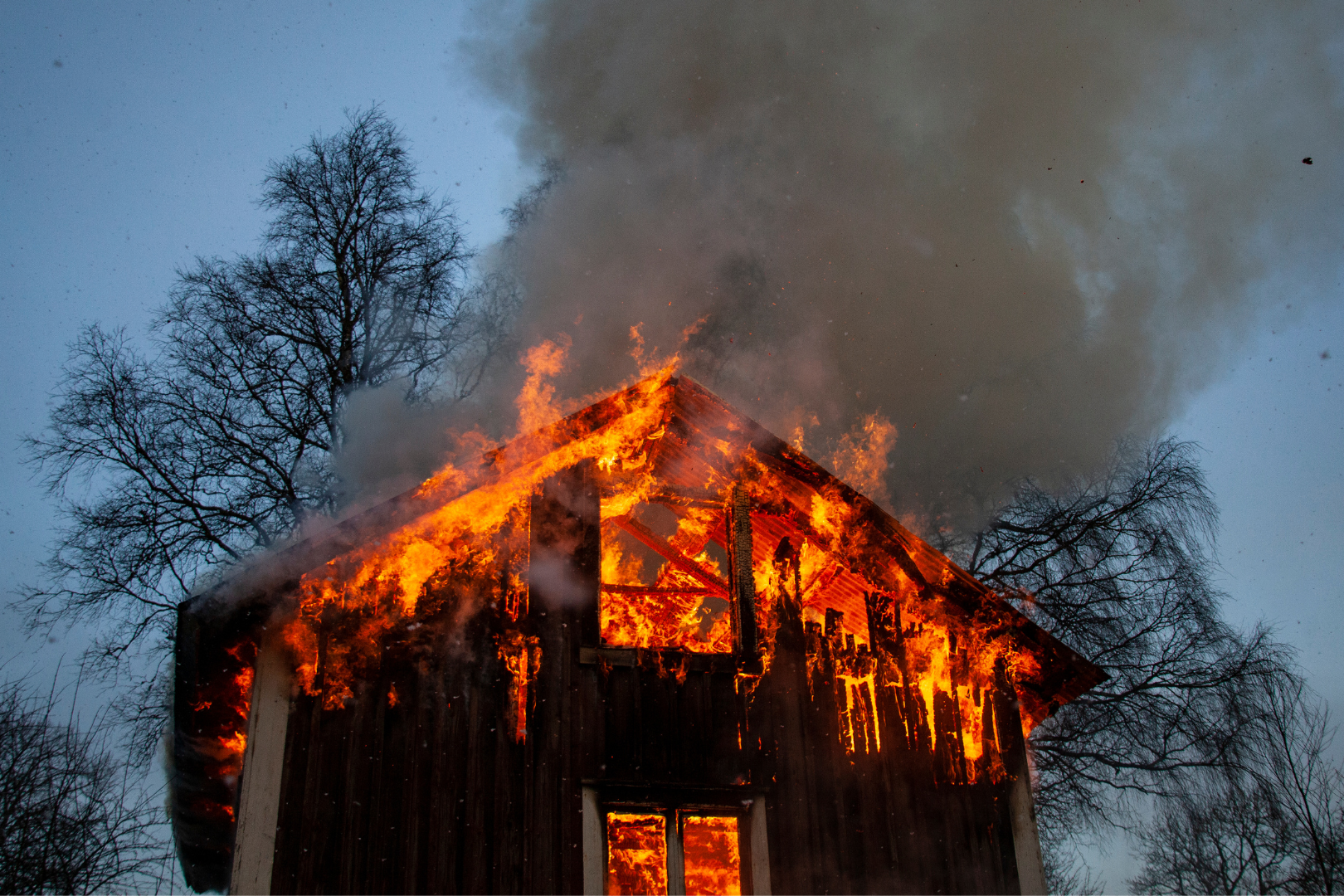
A house fire is one of the most disorienting experiences a homeowner can go through. Even after the flames are out, the uncertainty that follows can feel just as overwhelming. What’s safe to touch? Who do you call first? What does your insurance actually cover? Can anything be saved?
At Cleanup & Total Restoration (CTR), we’ve helped Boise homeowners recover from house fires for over 30 years. We know that the steps you take in the hours and days immediately following a fire have a direct impact on how smoothly and completely your home can be restored. This guide walks you through exactly what to do, in the right order, so you can move forward with clarity and confidence.
Table of Contents
Step 1: Prioritize Safety Above Everything Else
Before you think about your home, your belongings, or your insurance policy, make sure everyone in your household is safe. This means people and pets.
Do Not Re-Enter Until You Have the All-Clear
Even after firefighters leave the scene, a fire-damaged structure can pose serious hidden dangers:
- Weakened floors, ceilings, and walls that may collapse without warning
- Lingering toxic fumes from smoke, soot, and burned materials
- Live electrical hazards from damaged wiring
- Gas leaks from compromised supply lines
Wait until the fire department has officially cleared the property before entering. Once cleared, wear an N-95 mask at a minimum and avoid areas with visible structural damage.
Check on Your Pets
Pets often hide during a fire due to fear. Once it is safe, search for any missing animals and have them evaluated by a veterinarian. Smoke inhalation and burns can be hidden under fur or not immediately apparent.
Step 2: Secure Temporary Housing
Depending on the extent of the fire, your home may not be safe or habitable for days, weeks, or longer. Secure a safe place for your family to stay before focusing on anything else.
- Stay with family or friends if possible
- Contact the American Red Cross, they provide emergency shelter, food, and basic supplies to fire victims at no cost
- Check your homeowners’ insurance policy for “Additional Living Expenses” (ALE) or “Loss of Use” coverage, which may reimburse costs for hotel stays, meals, and other temporary living expenses while your home is being restored
Step 3: Contact Your Insurance Company
Call your insurance provider as soon as your family is safe. Do not wait. Starting the claims process early gives your insurer time to assign an adjuster and begin evaluating the damage, which is required before any restoration work can proceed.
What to Have Ready When You Call
- The date, time, and known cause of the fire
- A general description of the damage
- Your policy number
What NOT to Do Before Your Adjuster Visits
- Do not throw away any damaged items; your insurer needs to inspect them before they are disposed of or replaced
- Do not make any permanent repairs before getting approval, though you may make emergency temporary repairs to prevent further damage (keep all receipts)
- Document everything with photos and video before anything is moved or cleaned
Step 4: Secure Your Property
A fire-damaged home is vulnerable to weather, theft, and vandalism. Once you have the fire department’s clearance, take steps to protect the structure from further damage.
Temporary Protection Measures
- Board up broken windows and unsecured doors
- Apply tarps to any areas of roof damage to prevent water intrusion
- Notify your local police department that the property will be unattended
Most insurance policies require homeowners to take reasonable steps to prevent further damage after a loss event. Failure to do so can complicate your claim. CTR provides structural board-up and tarping services as part of our emergency response to fire damage. Call us, and we can handle this for you.
Step 5: Document the Damage Thoroughly
Before any cleanup begins, create a thorough record of everything the fire affected. This documentation is critical for your insurance claim and helps ensure you receive full coverage for your losses.
How to Document Fire Damage
- Photograph and video every room, including areas that appear undamaged, as smoke and soot travel far beyond where the fire burned
- Create a written inventory of damaged or destroyed items, including approximate age and value where possible
- Save receipts for any emergency expenses, temporary housing, clothing, food, and medications
- Request a copy of the official fire report from your local fire department, which may support your insurance claim
Step 6: Call a Professional Fire Damage Restoration Company
This is not a situation for DIY cleanup. Soot and smoke residue are highly acidic and corrosive; improper cleaning techniques can push contaminants deeper into surfaces, permanently damaging materials that could otherwise be saved. Attempting restoration without professional equipment also puts your health at risk.
Why Professional Fire Damage Restoration Matters
- Certified restoration teams use specialized equipment, HEPA air filtration, industrial ozone machines, and soot removal solutions that are not available to the general public
- Professionals can identify hidden damage that is not visible to the naked eye, including smoke infiltration inside walls and HVAC systems
- A certified restoration company creates detailed documentation and itemized reports that often result in more complete insurance settlements
- Older homes may contain asbestos or lead-based materials that require licensed handling during fire cleanup
What Fire Damage Restoration Includes
A full fire damage restoration process typically covers:
- Structural assessment and safety evaluation
- Board-up and tarping, if not yet completed
- Water extraction and drying (firefighting hoses can release significant water into a home)
- Smoke and soot removal from all affected surfaces
- Odor elimination using professional-grade deodorization equipment
- Cleaning and sanitization of salvageable contents
- Structural repairs, drywall replacement, and reconstruction
- Final inspection and walkthrough
Step 7: Notify Relevant Parties and Manage Logistics
Once the immediate crisis is stabilized, there are several people and organizations you should contact:
- Your mortgage lender: they have a financial interest in the property and need to be informed of any significant damage
- Utility companies: confirm that gas, electric, and water services are properly shut off at the property
- Your bank and creditors: fire recovery can disrupt finances; reach out proactively to explain the situation and ask about any available accommodations
- Your children’s school: teachers and administrators can provide additional support and flexibility during recovery
- The IRS: casualty losses from a fire may be tax-deductible; consult a tax professional or accountant to understand your options
Step 8: Take Care of Your Mental and Emotional Health
Recovery from a house fire is not only physical, but it is also deeply emotional. It is entirely normal to feel shock, grief, anger, or anxiety in the days and weeks that follow. These feelings are a natural response to a traumatic event.
- Lean on family and friends for support rather than isolating
- Be patient with children, who may struggle to process what happened
- Consider speaking with a counselor or therapist if stress and anxiety persist
- Contact SAMHSA’s Disaster Distress Helpline (1-800-985-5990) for free mental health support after a disaster
Recovery takes time. Every step forward, no matter how small, is progress.
Call CTR for Fire Damage Restoration in Boise
When you are ready to begin the restoration process, Cleanup & Total Restoration is here to help. Our IICRC-certified technicians respond to fire damage emergencies 24/7, arriving on-site within 60 minutes to begin assessment and mitigation.
CTR serves Boise and the entire Treasure Valley, including Meridian, Nampa, Caldwell, Eagle, Kuna, and beyond.